Season 4 · The Glamorous Grind · Video Insight
Why Winning a Lawsuit Doesn’t Always Bring Closure
A settlement can resolve a legal dispute without resolving everything you feel about it. Ilona Antonyan and Mila Arutunian discuss the emotional toll of litigation and why recovery can continue long after a case ends.

Presented by
What to expect
- Why a favorable legal outcome may still leave you feeling exhausted, angry, or uncertain.
- How employment disputes and divorce can affect confidence, trust, and life after litigation.
- The role of realistic expectations, personal support, and time in moving forward.
Your case is over. That doesn’t mean everything you went through is behind you.
People often imagine a settlement, favorable judgment, or finalized divorce as the moment they will finally feel relieved. But after months or years of conflict, the emotional response can be more complicated. In this episode of The Glamorous Grind, family law specialist Ilona Antonyan and employment attorney Mila Arutunian explore why legal resolution and emotional closure don’t always arrive together, and what rebuilding confidence can look like after a difficult legal battle.
Video insight
Why a Legal Victory May Not Feel Like One
A lawsuit is often about more than the outcome. It can involve revisiting painful events, answering deeply personal questions, and navigating uncertainty for an extended period. Depositions, examinations, and repeated questioning may add to the emotional strain, even when the case ultimately resolves favorably. Ilona and Mila discuss a listener who settled a workplace disability discrimination case after nearly two years. Despite receiving a fair settlement, an apology from the company’s CEO, and recognition at a new job, the listener still struggles with anger and self-doubt. Their experience illustrates a difficult reality: recognition of what happened does not necessarily erase its impact.
A legal resolution can close a case without closing the emotional chapter.
What a Settlement or Divorce Can Leave Unresolved
Financial compensation can be meaningful without restoring someone’s confidence or sense of security. An apology may matter deeply while still leaving unanswered questions. The attorneys explore why people can feel validated by an outcome and continue struggling with what they experienced. Divorce can present similar challenges. Finalizing the legal process does not always end contact or conflict, especially when former spouses share children, financial responsibilities, or unresolved property matters. Moving forward may require adjusting to an ongoing relationship with new boundaries and expectations.
Rebuilding After the Case Ends
The conversation turns to what comes after litigation: allowing time to rest, finding supportive environments, and rebuilding confidence through experiences beyond the dispute. Therapy and personal achievements are among the forms of support discussed, without treating recovery as something that happens on a fixed schedule. Ilona and Mila also address the importance of understanding legal fees, litigation risks, and possible outcomes before deciding whether to continue a case. Clear expectations can help people make informed decisions, while recognizing that no legal result can guarantee a particular emotional response.
This content is for general educational purposes only and is not legal advice. Court procedures, timelines and circumstances vary by case and jurisdiction.
Read full transcript Tap to expand
Preview
Transcript coming soon.
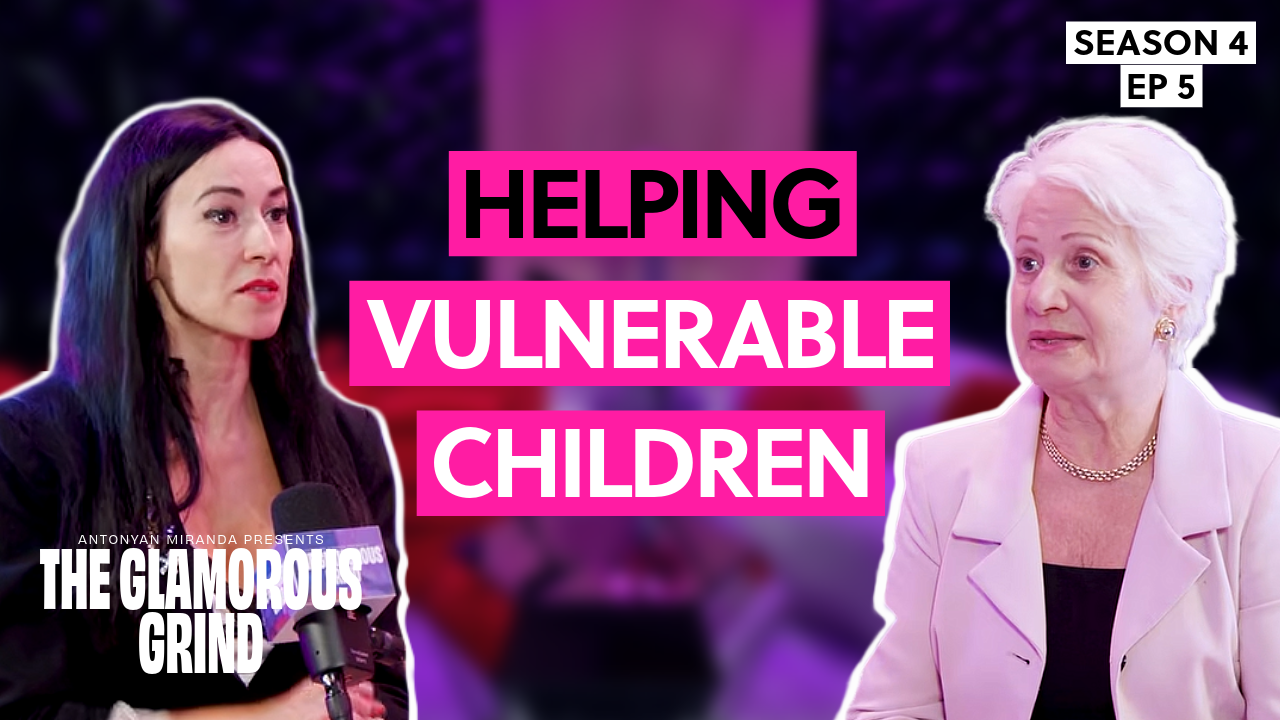
Making a Difference for Vulnerable Children: Kathy Kassardjian on the Mission Behind Sparkles Foundation
You Don’t Have to Do Everything to Make a Difference | Sparkles Foundation The Glamorous Grind Podcast Ilona Antonyan & Mila Arutunian Summary Ch...
Read more →
The Hardest Decisions You’ll Ever Make: Life Lessons From Three Trial Lawyers
Former Prosecutor Turned Defense Attorney Reveals: How to Make Life’s Hardest Decisions The Glamorous Grind Podcast Ilona Antonyan & Mila A...
Read more →
Can You Trust ChatGPT for Legal Advice? Attorneys Explain the Risks, Benefits & Hidden Dangers of AI
Can You Trust ChatGPT for Legal Advice? Attorneys Explain the Risks, Benefits & Hidden Dangers of AI The Glamorous Grind Podcast Ilona Antonyan &...
Read more →A considered next step
Schedule a consultation
Connect with our team to discuss your circumstances and learn about the consultation process.