Family Law · Video Insight
3 Mistakes That Can Destroy Your Credibility in Family Court
Your testimony is only as persuasive as your credibility. Inconsistent statements and dishonesty under oath can give the court reason to question your account.

Presented by
What to expect
- How inconsistent statements can undermine your testimony.
- Why lying under oath can have serious consequences.
- How preparation and honest corrections help protect your credibility.
Protecting your credibility starts before you take the witness stand.
During a divorce, child custody dispute, or other family court proceeding, your statements may be compared with financial records, prior testimony, recordings, and witness accounts. This video explains how contradictions and dishonesty can undermine your credibility, and why careful preparation and truthful answers matter.
Video insight
Inconsistent Statements Can Undermine Your Account
Your financial disclosures, descriptions of events, and testimony need to be accurate. If your account conflicts with a deposition transcript, recording, financial document, or witness testimony, opposing counsel may use that evidence to challenge your credibility. Challenging testimony through prior statements or contradictory evidence is known as impeachment.
Be truthful, prepare carefully, and correct genuine mistakes rather than trying to maintain an inaccurate story.
Lying Under Oath Can Have Serious Consequences
Knowingly making materially false statements under oath can carry serious legal consequences, potentially including perjury charges. Dishonesty may also affect how the judge evaluates your testimony and other evidence. An inaccurate account can create problems that extend beyond the statement itself.
Protect Your Credibility Through Preparation
Review the relevant facts and documents carefully before giving testimony. Accuracy matters when discussing finances, describing events, or answering questions about your case. If you discover a genuine mistake, address it honestly rather than repeating an account you know is inaccurate.
This content is for general educational purposes only and is not legal advice. Court procedures, timelines and circumstances vary by case and jurisdiction.
Read full transcript Tap to expand
Preview
There are three blunders that people make in family court that destroy their credibility. The third one is that they're inconsistent. If you're going to give...
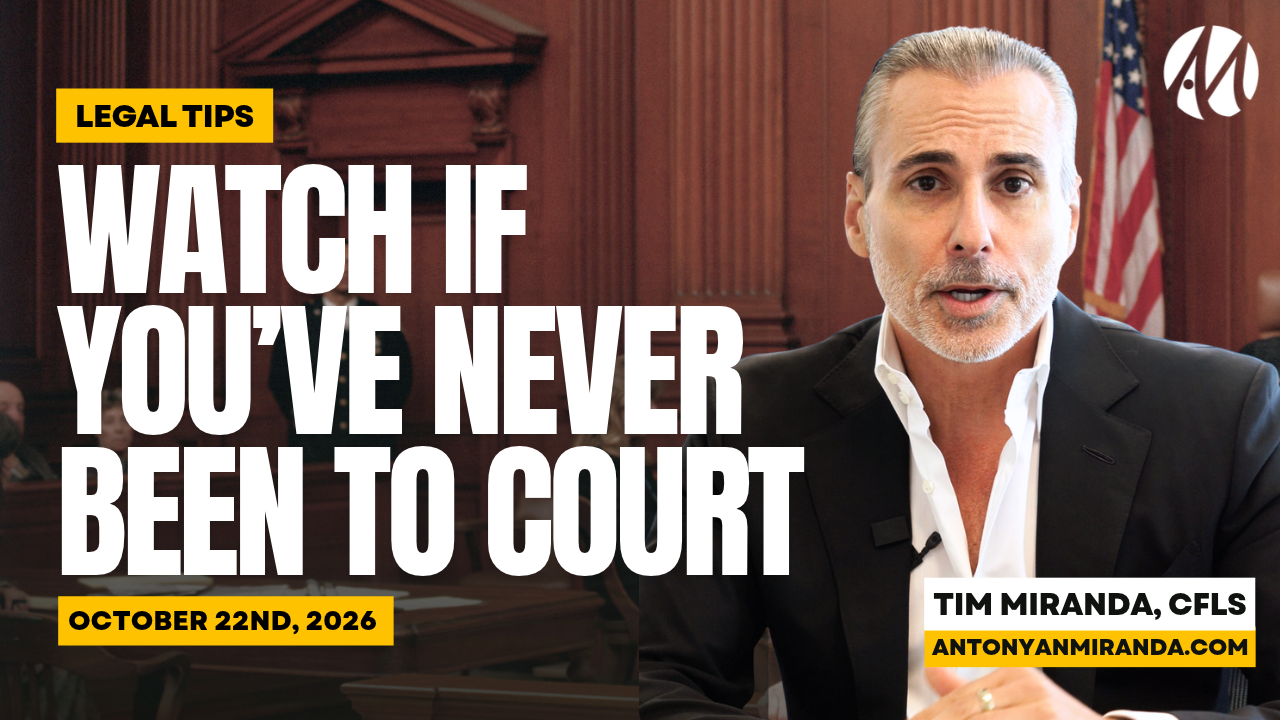
3 Things You Should ALWAYS Do in Family Court
Going to family court for a divorce, child custody dispute, or property hearing? How you prepare and present yourself matters. In this clip, an experi...
Read more →
Your Social Media Posts Can Be Used Against You in Court
Could your social media posts become evidence against you in divorce or child custody court? In this clip, an attorney explains why social media activ...
Read more →
3 Things Lawyers Should NEVER Say in Court
What are three things lawyers should avoid saying in court? In this clip, an experienced attorney breaks down 3 common courtroom mistakes that can wea...
Read more →
3 Mind Games Your Ex May Play During Divorce
Your ex knows exactly how to get a reaction out of you—but what happens when those emotional triggers become part of a divorce or family court dispute...
Read more →A considered next step
Schedule a consultation
Connect with our team to discuss your circumstances and learn about the consultation process.