Season 4 · The Glamorous Grind · Video Insight
Your Texts, Emails & AI Chats Can Be Used Against You in Court
Your texts, emails, social media messages, and even AI conversations could become evidence in a legal dispute. Attorneys Ilona Antonyan and Mila Arutunian explain how digital communications can affect divorce, employment litigation, and your credibility in court.

Presented by
What to expect
- How Texts, Emails & Social Media Become Court Evidence
- The Legal Risks of ChatGPT, AI & Deepfake Evidence
- Protecting Yourself in Divorce, Custody & Employment Disputes
That message you sent in the heat of the moment could come back to haunt you in court.
Every text, email, social media message, and AI conversation can leave a digital trail—and in litigation, that trail can become evidence. In this episode of The Glamorous Grind, Certified Family Law Specialist Ilona Antonyan and employment attorney Mila Arutunian explore how everyday communications can influence divorce proceedings, custody disputes, and employment lawsuits. From deleted messages and ChatGPT conversations to AI-generated deepfakes, they examine the growing risks of digital evidence, the importance of context, and why thinking before you hit send could protect you from serious legal consequences.
Video insight
Your Digital Conversations Could Become Evidence in Court
A text sent out of frustration. An angry email to your employer. A private message to your ex. What feels like an insignificant conversation today could become a critical piece of evidence months or even years later. In divorce, custody disputes, and employment lawsuits, attorneys may seek relevant digital communications through the discovery process. Text messages, emails, social media conversations, and messaging apps can reveal inconsistencies, challenge credibility, or provide important context about a disputed event. But context matters. A sarcastic comment, emotional outburst, or incomplete conversation can take on an entirely different meaning when presented in a courtroom. Even deleting a message does not guarantee it disappears. Copies, screenshots, backups, or records from other devices may still exist. The lesson isn't to stop communicating. It's to recognize that anything you put in writing could eventually be examined by someone who wasn't part of the original conversation.
"The message you send in anger today could become the evidence you have to explain in court tomorrow."
ChatGPT, AI Conversations & the New Risks of Digital Evidence
Artificial intelligence has introduced an entirely new dimension to digital evidence. People increasingly turn to tools like ChatGPT to draft difficult messages, research legal questions, and process emotionally charged situations. But what happens when those conversations involve an active lawsuit, confidential information, or communications with an attorney? Ilona Antonyan and Mila Arutunian examine the privacy, discovery, and attorney-client privilege questions that can arise when sensitive legal information is shared with third-party AI platforms. Depending on the circumstances, AI chat histories may become relevant to litigation, and information shared with these tools should not automatically be assumed confidential or privileged. AI also presents a more troubling challenge: fabricated evidence. With increasingly sophisticated voice cloning, deepfake videos, and AI-generated images, courts may face difficult questions about whether digital evidence is authentic. The attorneys discuss an allegation involving AI-generated voice evidence in a domestic violence-related matter, highlighting the importance of authentication, metadata, source records, and digital forensic analysis. As technology evolves, the ability to produce convincing digital content is advancing rapidly. Determining whether that content is genuine may become just as important as what it appears to show.
Protecting Yourself in Divorce, Custody & Employment Disputes
When emotions are running high, responding immediately can feel necessary. But in legal disputes, the smartest response is not always the fastest one. For divorcing spouses and co-parents, hostile text exchanges, inflammatory social media posts, and informal agreements can create complications that extend far beyond the original disagreement. A message intended to defend yourself may instead escalate the conflict or become evidence used to question your judgment. The same principle applies to workplace disputes. Emotional emails, inappropriate messages, or inconsistent written statements can undermine otherwise legitimate claims and defenses. The attorneys emphasize the importance of communicating deliberately, preserving relevant records, and documenting important agreements. Screenshots can help capture conversations, but maintaining complete records and surrounding context is equally important. The episode also explores a listener's dispute over more than $5,000 in alleged overpayments for a child's health insurance, illustrating how informal arrangements and unclear documentation can create significant financial disagreements. Whether you're navigating a divorce, dealing with a difficult co-parent, or facing an employment dispute, thoughtful communication and proper documentation can help protect your position.
This content is for general educational purposes only and is not legal advice. Court procedures, timelines and circumstances vary by case and jurisdiction.
Read full transcript Tap to expand
Preview
A text you thought was private. An angry email. A message to your ex. A conversation with an AI chatbot. What happens when those communications show up in co...
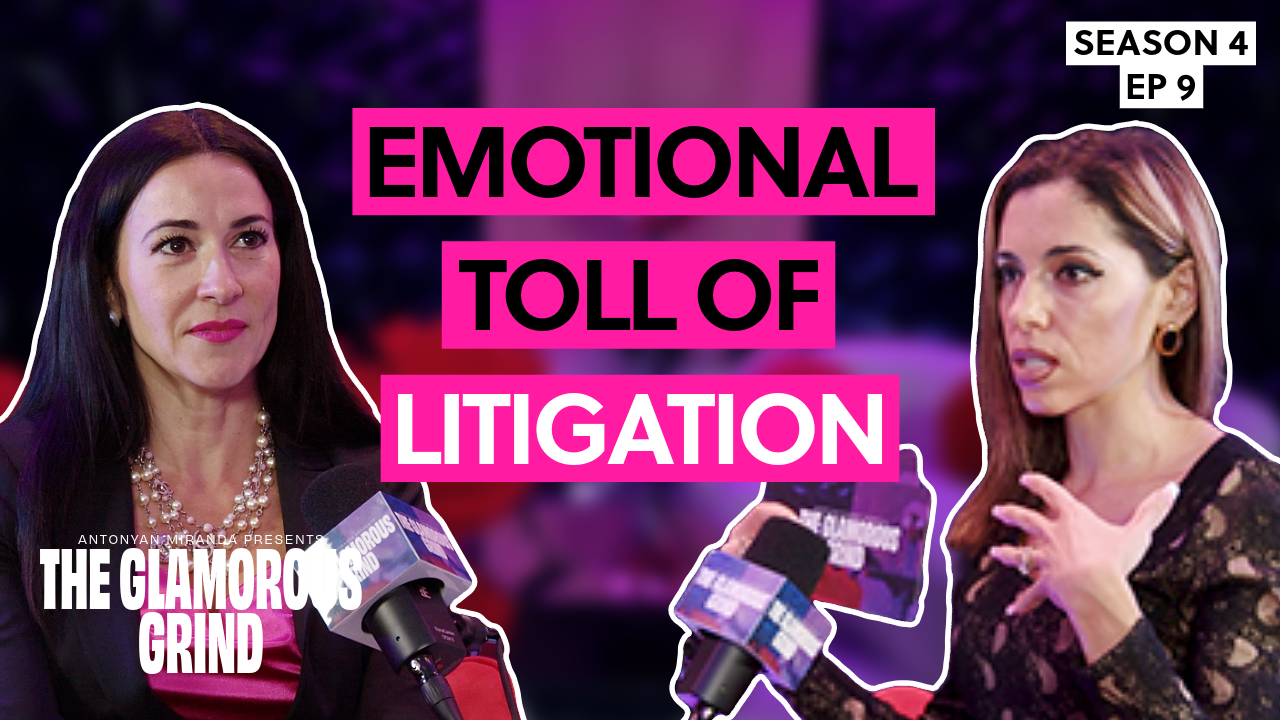
Why Winning a Lawsuit Doesn’t Always Bring Closure
You won your lawsuit. You reached a settlement. Your divorce is finally over. So why don’t you feel the happiness, relief, or emotional closure ...
Read more →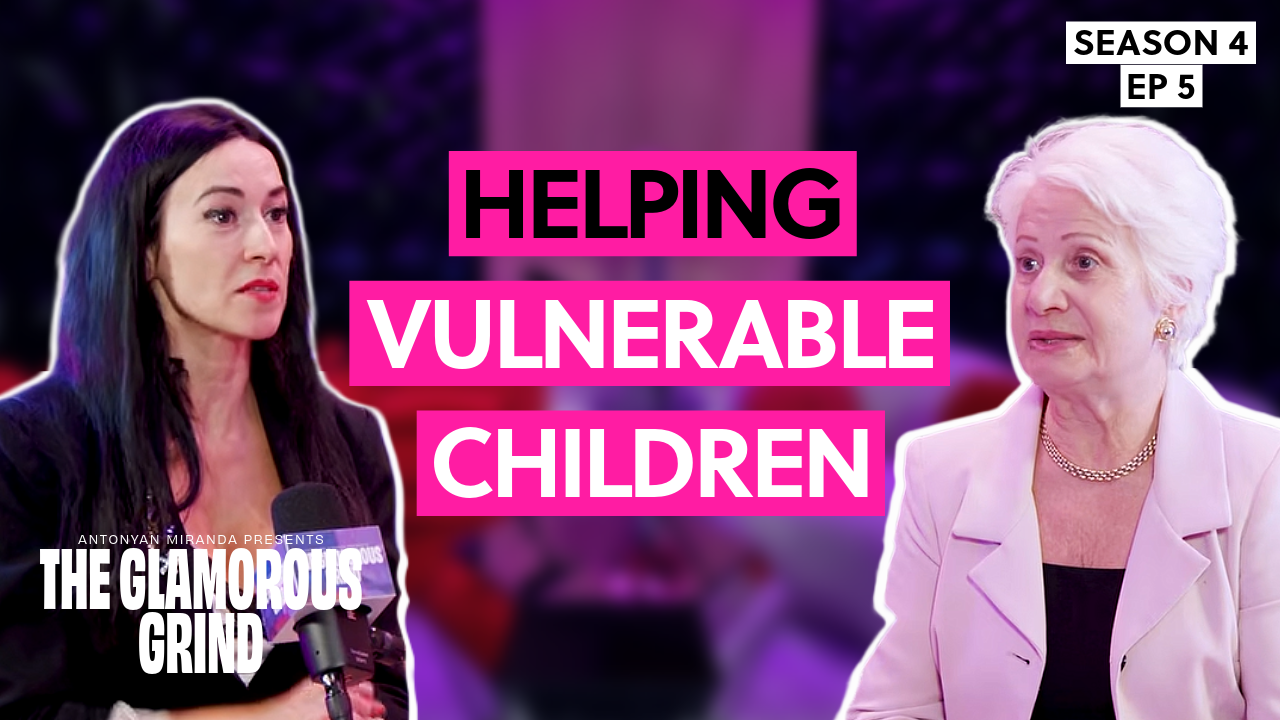
Making a Difference for Vulnerable Children: Kathy Kassardjian on the Mission Behind Sparkles Foundation
You Don’t Have to Do Everything to Make a Difference | Sparkles Foundation The Glamorous Grind Podcast Ilona Antonyan & Mila Arutunian Summary Ch...
Read more →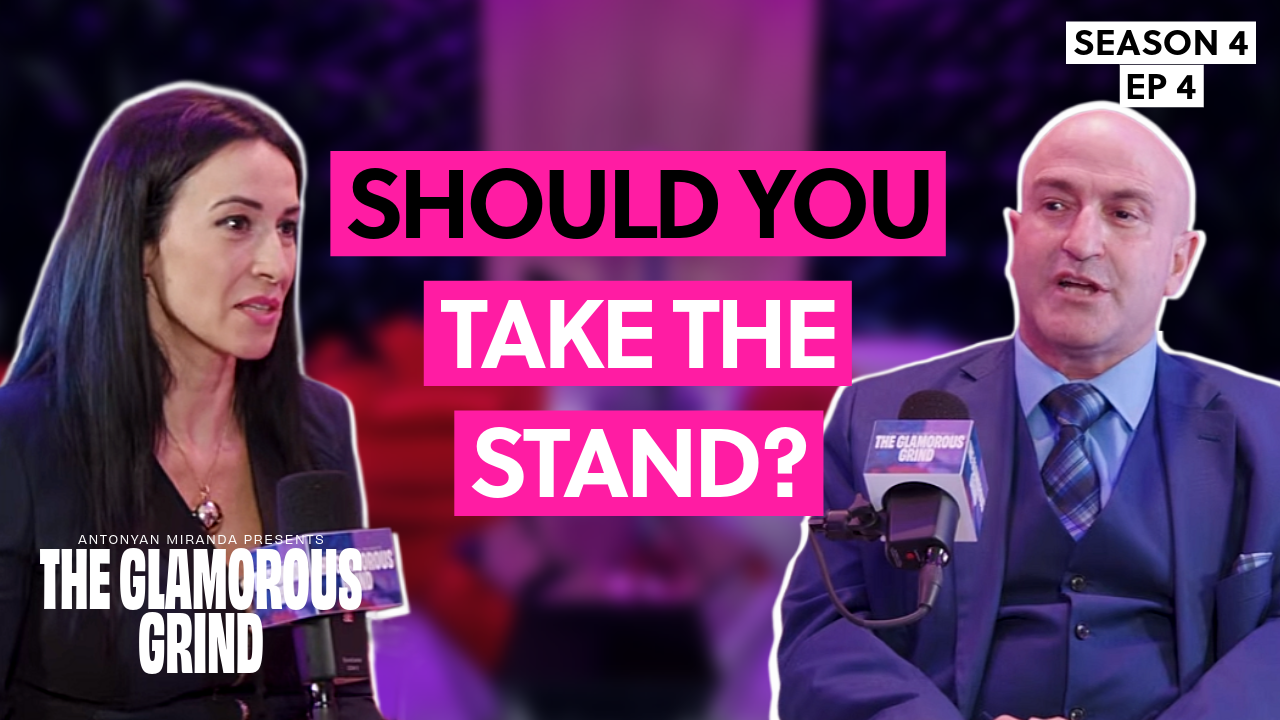
The Hardest Decisions You’ll Ever Make: Life Lessons From Three Trial Lawyers
Former Prosecutor Turned Defense Attorney Reveals: How to Make Life’s Hardest Decisions The Glamorous Grind Podcast Ilona Antonyan & Mila A...
Read more →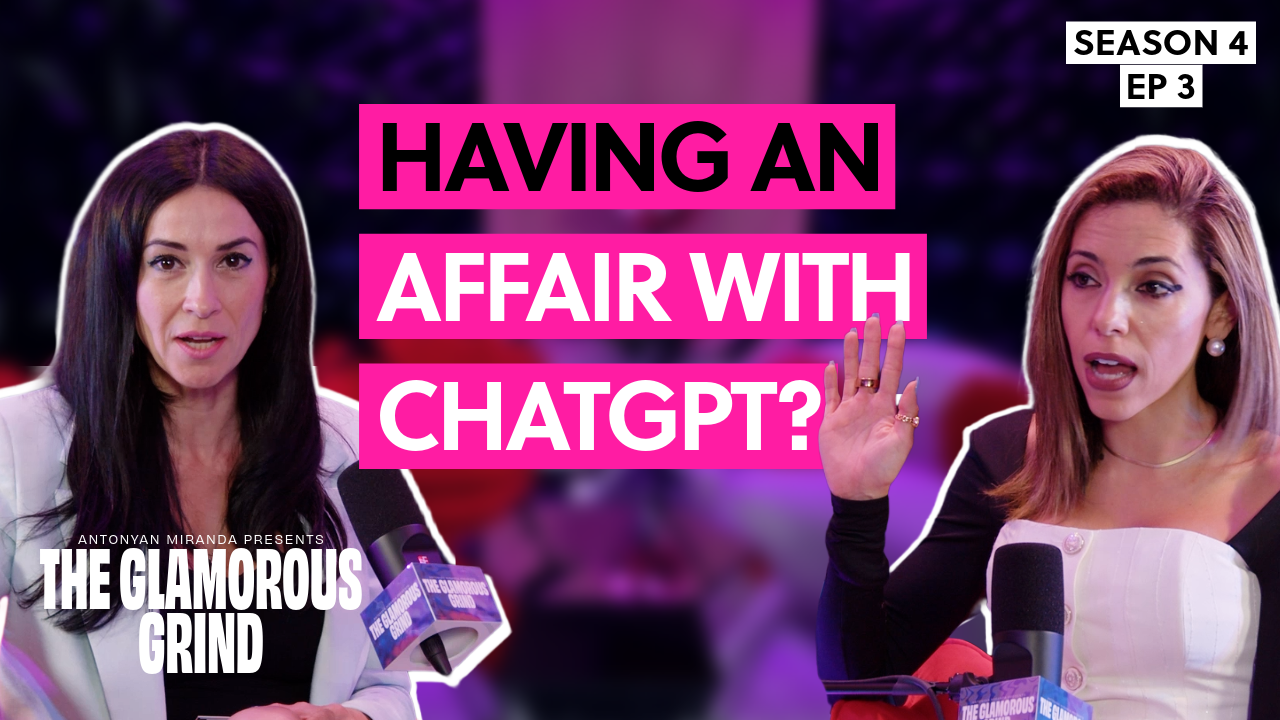
Can You Trust ChatGPT for Legal Advice? Attorneys Explain the Risks, Benefits & Hidden Dangers of AI
Can You Trust ChatGPT for Legal Advice? Attorneys Explain the Risks, Benefits & Hidden Dangers of AI The Glamorous Grind Podcast Ilona Antonyan &...
Read more →A considered next step
Schedule a consultation
Connect with our team to discuss your circumstances and learn about the consultation process.