Punching The Clock · Video Insight
Toxic Workplace or Illegal? How to Tell the Difference in California
A difficult boss, constant criticism, and overwhelming stress can make your job miserable. But when does a toxic workplace cross the line into illegal conduct? Employment attorney Mila Arutunian and workplace wellness expert Mary Eldridge explain the difference—and what employees can do to protect themselves.

Presented by
What to expect
- Toxic Workplace vs. Illegal Workplace Conduct
- How Workplace Toxicity Affects Your Mental Well-Being
- Setting Boundaries and Knowing When to Leave
A workplace can destroy your peace of mind without necessarily breaking the law. Knowing the difference can change how you respond.
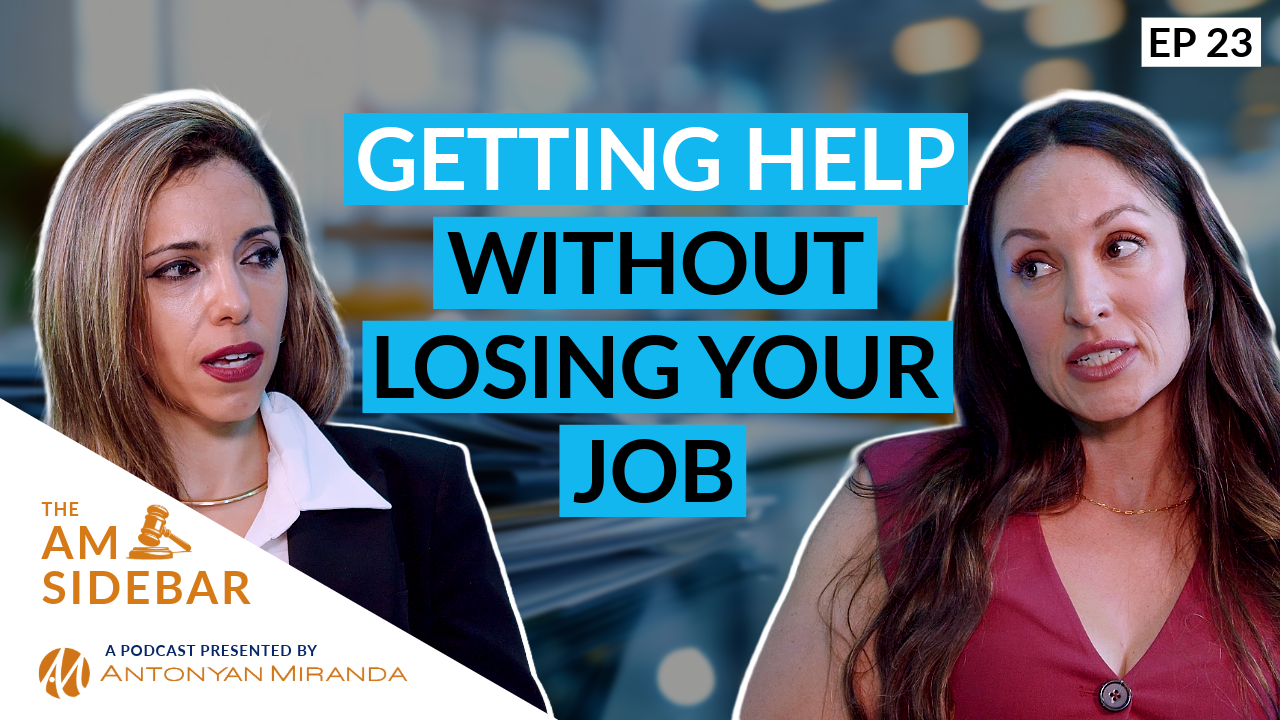
You dread Monday mornings. Your stomach drops when your boss sends a message. Even after leaving the office, you find yourself replaying conversations and questioning your performance. But is your workplace simply stressful, genuinely toxic, or potentially violating California employment law? In this episode of Punching the Clock from The AM Sidebar, employment attorney Mila Arutunian sits down with Mary Eldridge, founder of Mind to Thrive, to examine the legal and psychological realities of unhealthy work environments. Together, they explore the warning signs of workplace toxicity, the difference between unfair treatment and unlawful conduct, and how employees can establish boundaries, document concerns, and make informed decisions about their careers.
Video insight
Toxic Doesn't Always Mean Illegal: Understanding Your Workplace Rights
Your boss constantly criticizes your work. A coworker takes credit for your ideas. Management plays favorites, expectations seem to change overnight, and no matter how hard you work, nothing ever feels good enough. It's easy to recognize why these experiences might make a workplace toxic. But are they actually illegal? In California, the distinction matters. Employment attorney Mila Arutunian explains that not every unpleasant or unfair workplace experience constitutes a violation of employment law. A manager can be demanding, disrespectful, inconsistent, or even deeply unpleasant without necessarily engaging in unlawful conduct. Generally, legal concerns arise when workplace behavior involves violations of specific employee protections, including discrimination based on protected characteristics, unlawful harassment, retaliation for protected activity, disability-related rights, or wage-and-hour violations. For example, a supervisor favoring one employee over another may be unfair. But if that favoritism is based on race, sex, religion, disability, or another legally protected characteristic, it may raise discrimination concerns. Similarly, receiving negative performance reviews isn't automatically illegal. But if those reviews are being used to punish an employee for reporting unlawful harassment or exercising a protected workplace right, the situation may involve unlawful retaliation. The circumstances, supporting evidence, and connection to legally protected rights are critical. The term "hostile work environment" also has a specific legal meaning. In discrimination law, it generally involves harassment connected to a protected characteristic that meets the applicable legal standard—not simply a workplace where people are hostile or difficult. Understanding these distinctions helps employees evaluate whether they're experiencing poor management, an unhealthy workplace culture, or conduct that may justify legal action.
"A toxic workplace can make your life miserable. An illegal workplace may give you grounds to take action. Knowing the difference matters."
The Hidden Psychological Cost of a Toxic Work Environmen
Sometimes the first indication that something is wrong at work isn't a confrontation with your manager. It's how you feel before you even arrive. Your heart races when a meeting appears on your calendar. You constantly anticipate criticism. You spend evenings mentally preparing for conversations that haven't happened yet. Mary Eldridge, founder of Mind to Thrive, examines how unhealthy workplace environments can affect employees psychologically and physically, even when the conduct doesn't meet the legal definition of harassment or discrimination. Chronic workplace stress can leave employees feeling constantly on alert. Over time, that heightened state of vigilance may interfere with sleep, concentration, confidence, and the ability to recover outside working hours. High-achieving employees can be particularly vulnerable to remaining in unhealthy situations. People who pride themselves on resilience, productivity, and meeting expectations may respond to unreasonable demands by working harder rather than questioning whether those demands are appropriate. Repeated criticism can also create a cycle of self-doubt. Employees may begin questioning their competence even when their actual performance doesn't justify that level of insecurity. The conversation also explores how earlier experiences and learned survival patterns can influence workplace behavior. Someone who has learned to avoid conflict, seek approval, or anticipate negative reactions may carry those habits into new professional environments. That's why changing employers doesn't always resolve every underlying difficulty. Mary emphasizes the importance of recognizing emotional responses and developing the ability to regulate them before making major decisions. This doesn't mean employees should tolerate mistreatment. It means recognizing the difference between responding from immediate distress and making a deliberate decision based on their long-term well-being. A workplace doesn't have to be legally actionable to be unhealthy. And employees don't need to wait for a legal violation before taking their own well-being seriously.
Should You Stay, Speak Up, or Leave? How to Protect Yourself at Work
When a workplace becomes emotionally exhausting, quitting can feel like the only way to regain control. But before making a major career decision, it may help to evaluate the situation from both a practical and legal perspective. Mila Arutunian and Mary Eldridge explore how employees can assess their circumstances, establish healthier boundaries, and determine their next steps without allowing fear or frustration to drive every decision. Start by evaluating the actual expectations of your job. Are your responsibilities clearly defined? Does your manager provide specific, actionable feedback? Are you being given the resources and support necessary to succeed? If expectations constantly shift or criticism remains vague, it may be worth requesting clarification and documenting those conversations. Learn the difference between boundaries and control. Setting a professional boundary isn't about forcing another person to behave differently. It's about communicating what you can reasonably do, establishing expectations, and deciding how you will respond when those expectations aren't respected. For example, asking your manager to clarify competing priorities may be more productive than silently accepting an impossible workload and becoming increasingly resentful. Document conduct that may involve legal violations. If you believe you're experiencing discrimination, harassment, retaliation, or violations of disability-related rights, maintaining accurate records can be important. Relevant documentation may include emails, written communications, performance evaluations, dates of incidents, witness information, and records of complaints made through appropriate workplace channels. Employees should preserve information lawfully and avoid taking confidential company materials they are not authorized to access. Consider whether the situation can realistically improve. Not every difficult workplace requires an immediate resignation. In some circumstances, clearer communication, organizational changes, or appropriate internal reporting may help. In others, repeated misconduct, unresolved complaints, or serious concerns about employee rights may justify seeking legal guidance before taking further action. For California employees who believe their legally protected rights have been violated, consulting an employment attorney can help clarify available options, potential deadlines, and the consequences of resigning or filing a complaint. Ultimately, the goal isn't simply to escape an uncomfortable situation. It's to make a decision that protects your professional future, personal well-being, and legal rights.
This content is for general educational purposes only and is not legal advice. Court procedures, timelines and circumstances vary by case and jurisdiction.
Read full transcript Tap to expand
Preview
Transcript coming soon.
Mental Health Leave From Work: Can You Lose Your Job for Getting Treatment?
Mental Health Leave From Work: Can You Lose Your Job for Getting Treatment? Featuring Mila Arutunian, Esq. What to expect If you’re considering ...
Read more →
Death Threats, Lawsuits & Workplace Drama | Employment Lawyers Reveal All
Death Threats, Lawsuits & Workplace Drama | Employment Lawyers Reveal All Featuring Mila Arutunian, Esq. What to expect Think you were wrongfully...
Read more →
Can You Be Fired for Marijuana Use in California? Employee Rights Explained
Can You Be Fired for Marijuana Use in California? Employee Rights Explained Featuring Mila Arutunian, Esq. What to expect Marijuana may be legal in Ca...
Read more →
She Did Everything Right… Then ICE Arrested Her at Her Interview
She Did Everything Right… Then ICE Arrested Her at Her Interview Featuring Mila Arutunian, Esq. What to expect What happens when you do everything the...
Read more →A considered next step
Schedule a consultation
Connect with our team to discuss your circumstances and learn about the consultation process.