Split Decisions · Video Insight
Can a 16-Year-Old Refuse to Move? | Child Custody Debate
One teenager wants to move to Alaska. Her brother refuses to leave San Diego. Two family law attorneys debate whose wishes should carry the most weight.

Presented by
What to expect
- How a teenager’s age, maturity, and reasons for wanting to stay can shape a custody relocation dispute.
- The competing arguments for keeping siblings together or allowing them to live with different parents.
- How parental relocation rights, educational stability, and each child’s individual needs enter the debate.
A better job could change a mother’s future, but should it also change everything her 16-year-old son has built?
In the final episode of the three-part move-away custody series on Split Decisions, Antonyan Miranda attorneys Tim Miranda and Carlos Tavares debate a relocation scenario with no easy resolution. Natalie, the primary custodial parent, receives a job offer in Juneau, Alaska, paying more than twice her current salary. Her 15-year-old daughter, Sarah, wants to go. Her 16-year-old son, Josh, wants to stay in San Diego with his father, David. With school, college preparation, sibling relationships, and parenting responsibilities pulling in different directions, the attorneys make opposing arguments about what should happen next.
Video insight
A Dream Job Meets a Teenager’s Established Life
Natalie’s opportunity in Alaska could substantially improve her financial circumstances. Tim Miranda, arguing for the mother, emphasizes her role as the primary custodial parent and the potential benefits of the move. He also points to David’s approximately 25% parenting time and regular work travel when questioning whether changing Josh’s primary home would provide a better arrangement. Carlos Tavares, arguing for the father, focuses on what Josh would leave behind. Josh is succeeding in AP classes, playing varsity soccer, and preparing for college. Carlos argues that remaining in San Diego would preserve the academic progress, relationships, and daily stability Josh has already established.
How Much Say Should a 16-Year-Old Have?
Josh’s refusal raises the central question of the episode: how much influence should an older teenager have over a custody decision? California Family Code section 3042 requires courts to consider and give appropriate weight to a child’s wishes when the child has sufficient age and capacity to form an intelligent preference. That does not give a teenager automatic authority to choose the outcome or disregard an existing custody order. Carlos argues that Josh’s maturity and specific reasons for staying deserve serious consideration. Tim questions whether that preference, viewed alongside the other circumstances, establishes that the proposed move would be detrimental. Their debate also addresses the practical difficulties families face when an older teenager strongly opposes a court-ordered arrangement.
Should Siblings Stay Together When They Want Different Things?
Sarah sees Alaska as an adventure. Josh sees the move as a disruption to his future. Their different reactions create another difficult question: should the siblings remain together even if doing so means overriding one child’s wishes? Tim raises concerns about separating the children and changing the family structure. Carlos proposes allowing Sarah to move with Natalie while Josh remains with David in San Diego. The attorneys discuss California Family Code section 7501 and the competing considerations in move-away cases. The applicable legal standard depends on the existing custody arrangement and other circumstances. This debate illustrates why a relocation dispute requires a close look at each child’s needs, relationships, and potential disruption.
This content is for general educational purposes only and is not legal advice. Court procedures, timelines and circumstances vary by case and jurisdiction.
Read full transcript Tap to expand
Preview
Transcript coming soon.

Caught Your Partner Texting Someone Else? 3 Relationship Red Flags
You checked your partner’s phone… and found something you wish you hadn’t. Now what? Is secretly texting someone else cheating? Can a marriage survive...
Read more →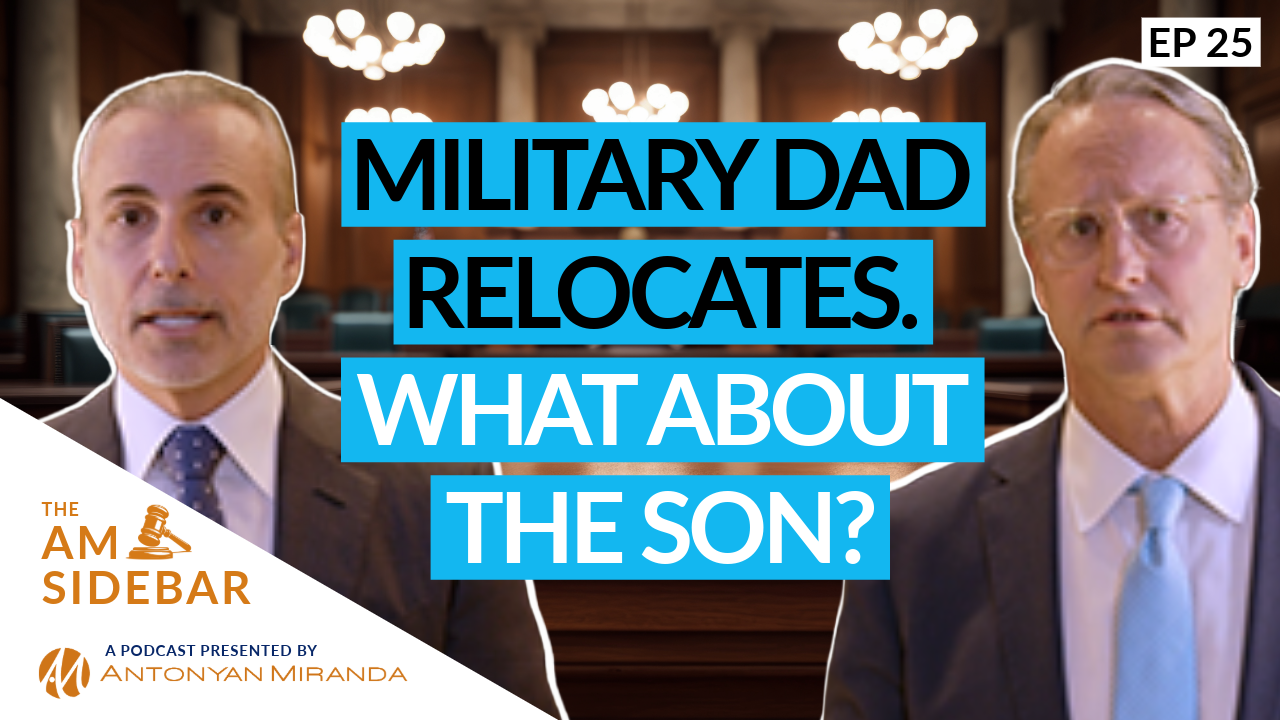
Military Parent Ordered to Move: Who Gets Child Custody in California?
Military Parent Ordered to Move: Who Gets Child Custody in California? Featuring Tim Miranda, CFLS and Carlos Tavares, CFLS What to expect A Navy fath...
Read more →
Can a Parent Move Away With a Newborn Before There’s a Custody Order in California?
Mom Vanishes Overnight With Newborn: Did She Have the Right? Lawyers Debate Featuring Tim Miranda, CFLS and Carlos Tavares, CFLS What to expect A moth...
Read more →
Should Courts Force Reunification Therapy? Family Law Attorneys Debate Child Custody Case
Should Courts Force Reunification Therapy? Family Law Attorneys Debate Child Custody Case Featuring Tim Miranda, CFLS and Carlos Tavares, CFLS What to...
Read more →A considered next step
Schedule a consultation
Connect with our team to discuss your circumstances and learn about the consultation process.